
Code Cat
Why you change your language

Meowza hoomans,
First up in this issue comes a question: How do you talk to your cats? Your voice is probably higher than when you speak to other humans and you might use certain words. You use what in linguistics is called pet-directed speech. And that is a code: namely Code Cat.
So get comfy in your cardboard box 📦 and get your catnip 🌿 out. It’s time for this month’s newsletter, which is all about code-switching.
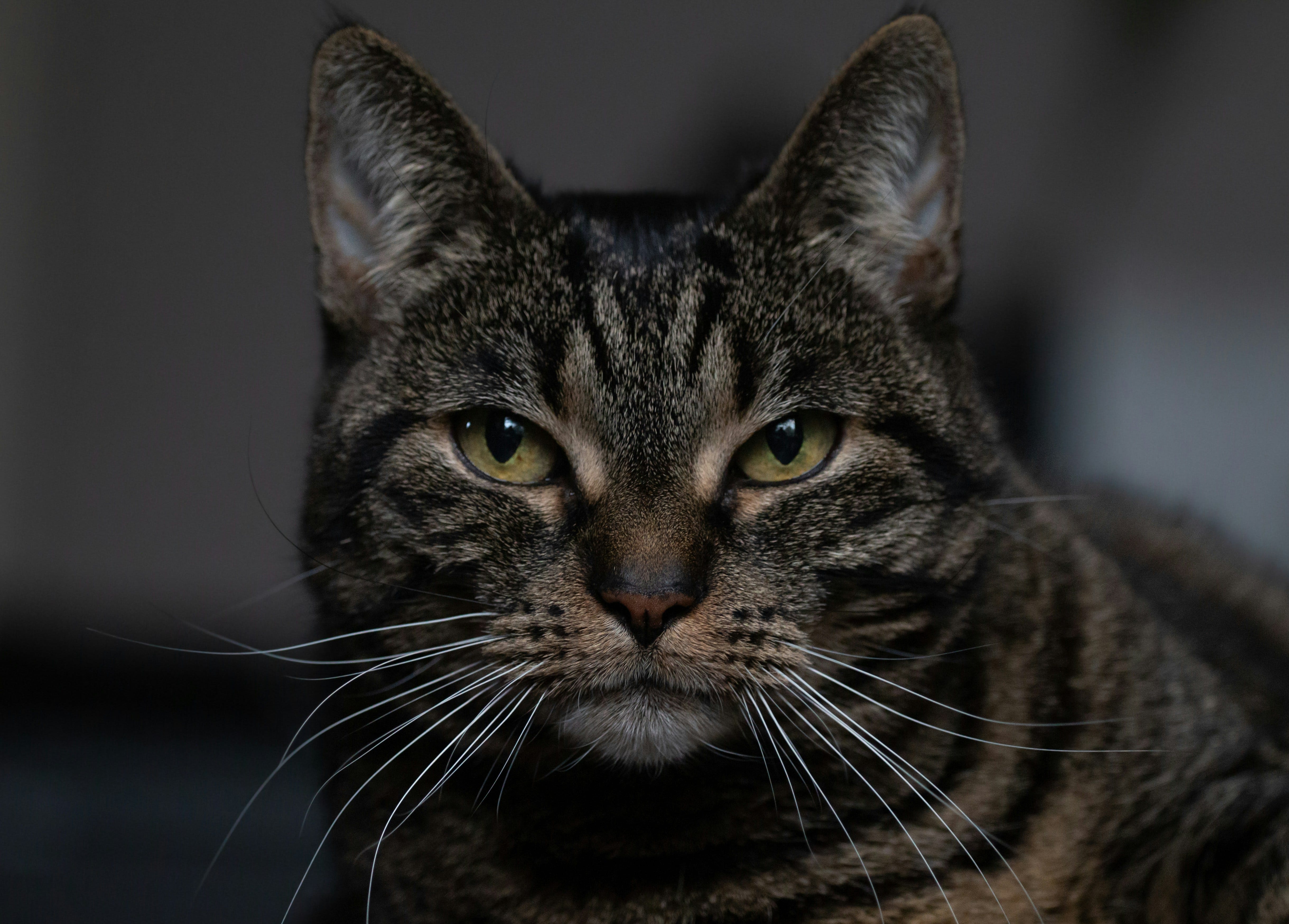
Photo by Lukas Boekhout on Unsplash
Maybe you have already noticed in your own speech how your language differs depending on the situation you are in or on the people you are with. Despite what you may — or may not — think, this is normal behaviour. That’s what people do. They adapt their speech to that of others they have a conversation with.
Linguistics calls that behaviour code-switching. A code in linguistics means a style, a dialect, or a set of slang. An exercise in an introductory books to sociolinguistics asks students to evaluate the following situation:
In Britanny […] the mother spoke Breton to the dog because it was [a] farm dog, but she used (in her view) the more sophisticated language, French, to the cat because it was a pet.” (Introduction to Sociolinguistics by Janet Holmes and Nick Wilson, 2017)
See? The cat’s status is different from the dog’s. It’s farm dog vs. pet. It’s Breton vs. French. The woman sees French as more sophisticated and addresses the cat accordingly. She switches her code depending on which animal she is talking to.
We do the same thing. We might not switch between different languages but between variants of the same language, and the different variants all have a different meaning for us. We know the meaning when people use a particular variety because we have learned it. So when we hear someone talk in a high-pitched voice and use cutesy words, we interpret that as pet-directed speech. By the way, it could also be child-directed speech. But since we are dealing with cats in this newsletter, we know it’s pet-directed speech.
Cats have made us go one step further. When we are online with our cats with their cat accounts, we code-switch to cat-inspired language: meowlogisms like pawsome or purrfection, specific purr varieties (purrieties), feline topics, and more. We simply feel that kitties require their own kitty varieties, and we adapt our language accordingly because we want to show our affection for our feline overlords.
Why do we switch codes? Well, it's all part of identity and belonging. We use cat-inspired language because we want to show that we see ourselves as members of the cat world and using Code Cat means exactly that.
There is a formal theory that explains why we change our speech, namely the Communication Accommodation Theory, abbreviated fittingly as CAT. Basically it's about social distance, which we either want to diminish or increase. And we do that with language. We may want to show to others that we are on the same side by adapting our language to theirs. Code Cat in a cat-related digital space is simply the language pattern that we use if we want to belong to the community. With Code Cat we are actively purrforming our being part of the cat commeownity and index our cat identity. Meowza!
Just before you go, check out what catspeak words cat lovers like you have come up with in the Catspeak Selection.
Catspeak Selection
purrtificate
purrsitive
imeowgine
CATstle
Meowlicious Meownday
catnipulation
meowshroom
Janmeowry
Dolly Pawton
Purrassic World
purrody
meowtain
meowsings
I saw a video recently that said people who change their tone/pitch/words for cats are generally more empathetic people.
My mom was convinced our family cat understood Taiwanese. 🤷🏻♀️
But yes I have a language solely for cats which usually involves me impersonating what I think they’d say in English at any given moment 😂
It’s totally purrfect that CAT is the acronym for cat speak! Language is definitely such a fascinating part of our sense of belonging. Servants of the feline overlords definitely share a unique bond for sure.